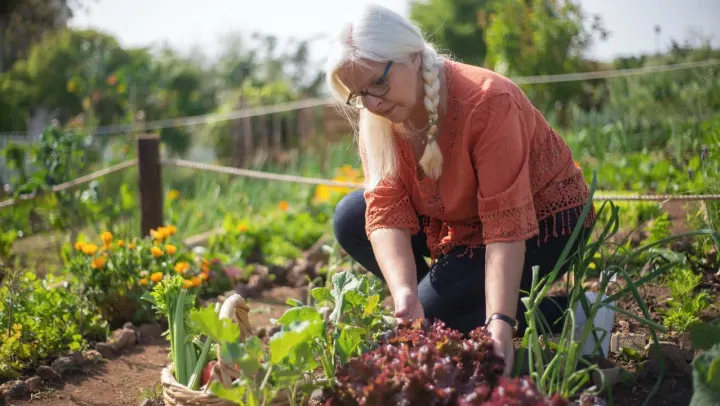
How To Avoid Back Pain When Gardening
For many people in Newmarket and across York Region, gardening is one of the most enjoyable parts of the warmer months. There’s something genuinely satisfying about getting outside, working with your hands, and watching something grow. But if you’ve ever woken up the morning after a long day in the garden barely able to stand up straight, you already know that gardening is a lot more physical than it looks.
Back pain is one of the most common complaints we hear from patients who garden regularly — and it’s almost always preventable. With a bit of preparation and some simple body mechanics, you can keep doing what you love without paying for it the next day.
Here’s what our physiotherapy team recommends.
Warm Up Before You Start
Most people wouldn’t head out for a run or a game of tennis without warming up first — and gardening deserves the same respect. When you think about what gardening actually involves — bending, twisting, kneeling, lifting, reaching — it’s easy to see why your body needs to be prepared before diving in.
Before you head outside, take five to ten minutes to loosen up with a few simple stretches. Hold each one for about 10 seconds and repeat three times:
Forward fold. Stand tall and slowly bend forward as if reaching toward your toes. You don’t need to touch them — just go far enough to feel a gentle stretch through your lower back and the backs of your legs.
Side stretch. Clasp your hands together and raise them overhead. Slowly lean to one side until you feel a stretch along the side of your torso, then repeat on the other side.
Backward bend. Place your hands on your hips and gently lean backward, feeling a mild stretch through your lower back. Move slowly and only go as far as is comfortable.
These take just a few minutes but can make a real difference in how your body feels during and after gardening.
Protect Your Back While You Work
The spine doesn’t love being bent and twisted at the same time — and unfortunately, that’s exactly the kind of movement that gardening tends to involve. Being mindful of how you’re moving goes a long way toward preventing strain.
A few habits worth building:
Never bend and twist simultaneously. If you need to move something to the side, move your feet to turn your whole body rather than rotating your spine while bent over. This one change alone can significantly reduce the load on your lower back.
Sit rather than crouch. Whenever possible, use a low stool or garden kneeler instead of bending over for extended periods. Taking the pressure off your spine — even occasionally — adds up over a long day in the garden.
Take regular breaks. If you’ve been working in the same position for a while, stand up, walk around, and do a few gentle back bends before getting back to it. Staying in one position too long is one of the most common causes of back stiffness.
Mind your neck. When working close to the ground, try to keep your chin slightly tucked rather than craning your neck forward. It’s a small adjustment that helps take unnecessary strain off the upper spine.
Lift Properly — Every Time
Lifting is where a lot of garden-related back injuries happen — whether it’s a heavy bag of soil, a pot, or a full watering can. The good news is that proper lifting technique is simple once it becomes a habit.
Before you lift anything, take a moment to think about how heavy it is, whether you need help, and where you’re putting it down. Then:
Bend at the hips and knees, not the waist. Lower yourself down by bending your legs rather than rounding your lower back. The goal is to keep your spine as neutral and upright as possible throughout the movement.
Keep the object close to your body. The further an object is from your body, the more strain it places on your spine. Hold it close to your centre as you lift and carry.
Stand up with your legs. Let your leg muscles do the work. Push through your feet and straighten your legs as you rise, keeping your core gently engaged.
Never twist while lifting. If you need to place something to your left or right, take a step in that direction rather than rotating your spine under load.
Know Your Limits
It can be tempting to push through and get everything done in one session — especially when the weather is cooperating and the to-do list is long. But overdoing it is one of the most reliable ways to end up sore or injured.
Break bigger tasks into shorter sessions across multiple days where you can. Alternate between different types of activity — digging, planting, weeding — so you’re not loading the same muscles and joints for hours at a time. And if something starts to ache, that’s your body asking you to stop, not a cue to push through.
A Note for Seniors
Gardening is one of the most popular activities among older adults — and for good reason. It keeps you active, gets you outdoors, and provides a real sense of purpose and satisfaction. But it’s worth acknowledging that the body does change with age, and what felt effortless at 45 can feel quite different at 65 or 70.
Joints tend to be stiffer in the morning, muscles warm up more slowly, balance can be less reliable, and recovery after physical activity generally takes a bit longer. None of this means you need to give up gardening — it just means a few adjustments can go a long way.
Spend a little extra time warming up before you start, and don’t rush into heavy tasks first thing. Use tools with wider, cushioned grips to reduce strain on the hands and wrists. Raised garden beds are worth considering if getting down to ground level is difficult — they allow you to garden comfortably from a standing or seated position. And if balance is a concern, be mindful of uneven surfaces, wet ground, and awkward reaching positions that could put you off-centre.
If you’re unsure what your body can comfortably handle, or if you’ve been dealing with joint pain, stiffness, or a previous injury, speaking with a physiotherapist before the season gets underway is a great idea. A short assessment can give you the confidence to get out there and enjoy your garden safely.
Beyond the Back — Other Common Gardening Injuries
While back pain tends to get the most attention, it’s far from the only thing that can flare up during gardening season. Here are a few other areas that commonly cause trouble — and what to watch for.
Knee pain. Prolonged kneeling on hard ground puts significant pressure on the knee joints and the soft tissues around them. Use a padded kneeling mat or a garden kneeler with handles that make it easier to get up and down. Avoid staying in the same kneeling position for too long, and if your knees are already prone to discomfort, look for ways to reduce the amount of time you spend on the ground altogether.
Shoulder and neck strain. Overhead tasks like pruning trees or reaching across a wide bed put the shoulder and neck under sustained load. Try to keep your work at a comfortable height where possible, take regular breaks from overhead activity, and avoid reaching so far that you lose control of your posture.
Wrist and hand pain. Repetitive gripping — whether it’s a trowel, pruning shears, or a watering can — can strain the tendons and muscles of the forearm, wrist, and hand. This is particularly common in people who are prone to conditions like tendinitis or carpal tunnel syndrome. Using ergonomic tools with wider handles, taking regular breaks, and gently stretching the hands and wrists throughout the day can all help.
Hip discomfort. Getting up and down repeatedly, working in a crouched position, or carrying heavy loads can place strain on the hips — particularly if there’s any underlying stiffness or arthritis present. Strengthening the muscles around the hip through regular exercise is one of the best long-term strategies for keeping this area comfortable.
If any of these issues are already familiar to you, or if something flares up during the gardening season, physiotherapy can help identify what’s contributing to the problem and get you back on track.
When Back Pain Doesn’t Go Away
Sometimes, despite your best efforts, back pain from gardening lingers longer than it should. If you’re dealing with pain that doesn’t ease up after a day or two of rest, or if it’s affecting your sleep, your movement, or your daily activities, it’s worth getting it properly assessed.
At FIT Physiotherapy, we work with patients throughout Newmarket and York Region who are dealing with all kinds of back pain — from the occasional post-gardening ache to more persistent issues that have been building over time. We’ll take the time to understand what’s going on and build a personalized, hands-on treatment plan to help you recover and get back to doing what you enjoy.
Contact FIT Physiotherapy today to book an assessment. We’re here to help you move better — in the garden and everywhere else.