Tight shoulders, a sore back or a neck that will not let go can wear you down. Massage therapy uses hands-on work on the body’s soft tissues (muscles, tendons and the connective tissue around them) to ease tension, reduce stiffness and help you move more comfortably.
At FIT Physiotherapy in Newmarket, massage therapy is provided by a Registered Massage Therapist (RMT) in the same clinic as our physiotherapists and chiropractor. That makes it easy to add massage to your recovery plan, whether you are dealing with an injury, recovering from surgery or simply carrying too much tension. Massage by an RMT is covered by most extended health plans, and no doctor’s referral is needed to book.

Meet Your RMT: Shauna Park, RMT, DOMP
Shauna Park is a Registered Massage Therapist and Osteopathic Manual Practitioner (DOMP). Her training includes myofascial release, muscle energy technique, counterstrain, craniosacral therapy, lymphatic drainage and visceral manipulation, as well as Jin Shin Do acupressure and auricular therapy.
She uses deep myofascial and structural integration techniques, and pairs treatment with simple stretching, strengthening and breathing exercises drawn from her yoga training. Shauna has worked with Newmarket’s affiliated physiotherapy clinics for more than two years and has extensive experience with concussion and sports injuries, including athletes competing at international levels. Her treatments are a natural complement to physiotherapy.
Physio, Chiro and Massage Under One Roof
FIT is a multidisciplinary clinic. Physiotherapy, chiropractic care and registered massage therapy are all available at our clinic at 20 Charles Street in Newmarket.
Massage pairs well with both. It can ease muscle tension before or after a physiotherapy session, or help tight muscles relax around a stiff joint your chiropractor is treating. Ask when you book and we will help you plan appointments that fit together.
Have a question?
Types of Massage Therapy We Offer
Your RMT will choose techniques based on your goals, your comfort and how your body responds. Treatment may include:
- Swedish massage: gentle, flowing strokes to help you relax and ease general muscle tension.
- Deep tissue massage: slower, firmer pressure on deeper muscle layers, often used for long-standing tension or overuse.
- Trigger point therapy: focused pressure on tight knots in a muscle that can cause local or referred pain.
- Myofascial release: gentle, sustained stretching of the connective tissue (fascia) to help improve mobility.
- Craniosacral therapy and visceral manipulation: very light hands-on techniques around the head, spine, sacrum, abdomen and pelvis.
- Osteopathic manual techniques: hands-on methods that look at how posture and movement in one area affect another.

Sports Massage in Newmarket
Sports massage is aimed at people who train or compete, from weekend runners and hockey players to athletes at higher levels. It focuses on the muscles you load most, and can help ease post-training tightness, support recovery from strains and overuse injuries, and keep you moving comfortably between sessions.
When you are rehabbing a sports injury, massage works best alongside an active plan. Your RMT and physiotherapist can both be part of your care at the same clinic, so hands-on treatment and exercise move in the same direction.
Why Choose Massage Therapy?
People come to massage therapy for many reasons. Regular treatment may help with:
- Easing muscle tension and soreness
- Reducing joint stiffness and improving flexibility
- Supporting recovery from muscle strains and ligament sprains
- Supporting comfort and mobility after surgery
- Easier, deeper breathing and better posture awareness
- Relaxation and stress relief
Massage is not a cure on its own, and results vary from person to person. It tends to work best as part of a plan that also includes movement and exercise.
Pressure That Suits You
Everyone’s tolerance for pressure is different. Your RMT will check in with you during treatment and adjust, whether you prefer a light, relaxing massage or firmer therapeutic work. You can ask to change the pressure, or stop, at any time.
Before your first treatment, your RMT will ask about your health history and what you would like to work on, then explain the plan before starting.
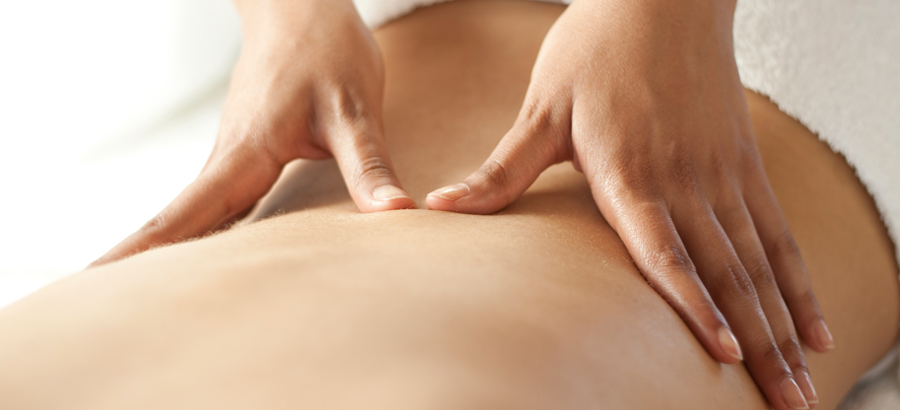
Massage for Neck and Back Tension
Neck and back tension is one of the most common reasons people book a massage. It is common in general, too: about 203 million people worldwide were living with neck pain in 2020, according to a study published in The Lancet Rheumatology in 2024. Long hours at a desk or behind the wheel, stress, poor sleep and hard training can all leave muscles tight and sore.
What your RMT focuses on. After asking where you feel tension and what tends to bring it on, Shauna will work on the areas involved. These often include the neck, the tops of the shoulders, the muscles between the shoulder blades and the low back. Tension headaches that start in the neck and shoulders are often part of the picture too.
Between visits. You may be shown simple stretching, strengthening and breathing exercises to help keep tension from building back up.
When to add physiotherapy. If tension keeps coming back, or you have pain that spreads into an arm or leg, numbness or weakness, a physiotherapist can assess what is going on. At FIT, physiotherapy is in the same clinic, so massage and an exercise plan can work together.