What Conditions May Benefit From Acupuncture Treatment?
Acupuncture has been used as a therapeutic tool for thousands of years, and in recent decades it has become an increasingly recognized part of modern physiotherapy practice. When performed by a trained healthcare professional, acupuncture involves the insertion of very fine needles into specific points on the body to help reduce pain, release muscle tension, and support the body’s natural healing processes. For many patients, it serves as a valuable complement to other physiotherapy treatments — helping to manage symptoms while the underlying condition is being addressed. Here’s a look at some of the conditions that may respond well to acupuncture as part of a broader treatment plan.
What Conditions May Benefit From Acupuncture?
Chronic Neck and Back Pain
Neck and back pain are among the most common reasons people seek physiotherapy care, and acupuncture is frequently used as part of the treatment approach for both. Whether the pain stems from posture-related strain, disc issues, muscle tension, or a previous injury, acupuncture may help reduce discomfort and improve mobility — making it easier to engage with the active rehabilitation work that supports long-term recovery.
Headaches and Migraines
Tension headaches and migraines can be significantly disruptive to daily life. Acupuncture is often used to address the muscular and nervous system components that contribute to headache patterns, particularly when tension in the neck and upper back is a contributing factor. Many patients find it a useful addition to their care when other approaches have provided only partial relief.
Osteoarthritis and Joint Pain
Joint pain associated with osteoarthritis — particularly in the knees, hips, and shoulders — can affect mobility and quality of life considerably. Acupuncture may help manage the pain and stiffness associated with these conditions, supporting patients in staying more active and engaged with their rehabilitation exercises. It is typically used alongside manual therapy and exercise-based treatment rather than as a standalone approach.
Sports Injuries and Muscle Strains
Acupuncture and dry needling are commonly used in sports injury rehabilitation to address pain, reduce muscle guarding, and promote circulation in the affected tissues. Whether the injury involves a strained muscle, a tendon overuse condition, or lingering tightness following a more acute injury, acupuncture can play a supportive role in the overall recovery process.
Tendinopathies
Conditions like Achilles tendinopathy, rotator cuff tendinopathy, and lateral epicondylitis (tennis elbow) often involve stubborn, persistent pain that can be slow to resolve. Acupuncture may help reduce localized pain and improve tissue response, particularly when used in combination with other treatments such as shockwave therapy, exercise rehabilitation, and manual therapy.
Sciatica and Nerve-Related Pain
Sciatica involves pain, tingling, or numbness that travels along the sciatic nerve — typically from the lower back down through the buttock and leg. Acupuncture may help reduce the pain and muscular tension associated with sciatic nerve irritation, complementing hands-on physiotherapy and targeted exercise to address the underlying cause.
Plantar Fasciitis
Plantar fasciitis causes pain along the bottom of the foot, often most noticeable with the first steps in the morning or after periods of rest. Acupuncture and dry needling directed at the calf musculature and plantar fascia can help reduce pain and muscle tension, supporting recovery alongside other treatments like shockwave therapy and strengthening exercises.
Temporomandibular Joint (TMJ) Dysfunction
TMJ dysfunction refers to pain and movement limitations in the jaw joint, often accompanied by headaches, facial tension, or discomfort when chewing. Acupuncture targeting the muscles around the jaw, neck, and upper back can help ease the associated tension and discomfort, and is often used as part of a broader physiotherapy approach to TMJ management.
Post-Surgical Recovery
Following surgery, acupuncture may be used to help manage pain and support the body’s healing process as part of a broader post-surgical rehabilitation program. Its non-invasive nature and low side effect profile make it a suitable consideration for many patients who prefer to minimize reliance on pain medication during their recovery.
Stress-Related Muscle Tension
Stress and anxiety often manifest physically as muscle tension, particularly in the neck, shoulders, and upper back. While physiotherapy is not a mental health treatment, addressing the physical impact of stress-related tension is very much within its scope. Acupuncture may help calm the nervous system response and relieve the associated muscular tightness, improving both comfort and physical function.
What to Expect During Acupuncture Treatment
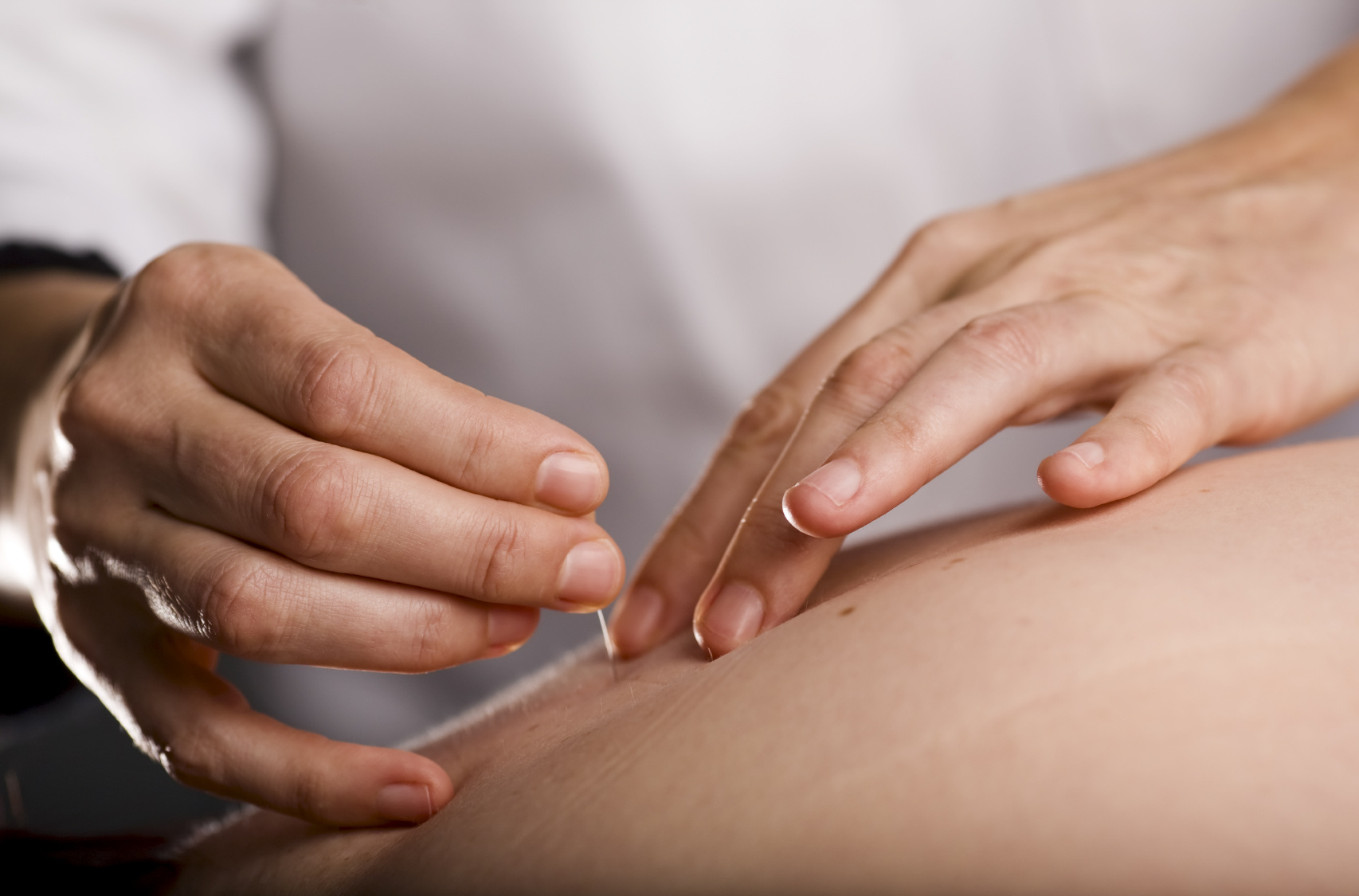
If you haven’t experienced acupuncture before, it’s natural to have questions. The needles used are extremely fine — much thinner than a standard medical needle — and most patients find the sensation mild and well-tolerated. You may feel a brief, slight sensation at the point of insertion, followed by a feeling of relaxation or warmth in the area. Sessions typically last between 20 and 45 minutes depending on the condition being treated, and acupuncture is almost always provided as part of a broader, individualized physiotherapy treatment plan rather than in isolation.
Is Acupuncture Right for You?
Acupuncture isn’t the right fit for every patient or every condition, and the best way to find out whether it could be a helpful part of your care is to speak with a physiotherapist directly. At FIT Physiotherapy in Newmarket, our team takes the time to understand your specific situation and will recommend treatment options — including acupuncture — only when they are appropriate and likely to support your recovery.
If you’re living with persistent pain, a chronic condition, or a sports or work-related injury and you’d like to explore your options, we’d love to hear from you. Reach out to our team in Newmarket to book an assessment and take the next step toward feeling better.