Achilles Tendinitis Treatment: Can Physiotherapy Help?
As the warmer months arrive and activity levels pick up across Newmarket and York Region, physiotherapy clinics tend to see a familiar uptick in a particular complaint — Achilles tendon pain. Whether you’re a dedicated runner getting back into your summer training schedule, a recreational athlete returning to sport after the winter, or simply someone who has been more active than usual, Achilles tendinitis is one of the most common running injuries and sports-related conditions we treat at FIT Physiotherapy. The encouraging news is that with the right care, most people recover well — and physiotherapy plays a central role in making that happen.
What Is Achilles Tendinitis?
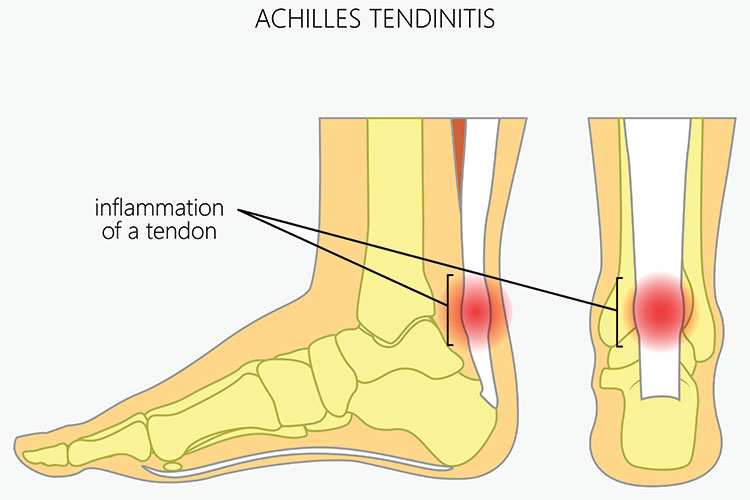
The Achilles tendon is the large tendon that connects your calf muscles to your heel bone. It is the thickest and strongest tendon in the body, and it absorbs significant force with every step, jump, and push-off. Achilles tendinitis — also referred to as Achilles tendinopathy — is an overuse condition that develops when the tendon is subjected to more load than it can comfortably manage, leading to pain, stiffness, and reduced function.
It is important to understand that the term “tendinitis” suggests inflammation, but research has shown that chronic Achilles tendon pain often involves changes in the tendon tissue structure rather than active inflammation alone. This distinction matters because it influences how the condition is best treated — which is why a thorough physiotherapy assessment is so valuable.
What Causes Achilles Tendinitis?
Achilles tendinitis is almost always the result of a load that the tendon was not prepared to handle. Common contributing factors include the following.
Sudden Increases in Training Load
One of the most frequent causes of Achilles tendon pain is doing too much, too soon. This is particularly common at the start of summer, when runners and sports enthusiasts in Ontario ramp up their activity after a less active winter or spring. Increasing running distance, frequency, or intensity too quickly doesn’t give the tendon adequate time to adapt.
Returning to Sport After a Break
After a period of reduced activity, tendons lose some of their capacity to handle load. Athletes who return to summer sports — whether that’s soccer, tennis, trail running, or recreational league play — without a gradual build-up period are at higher risk of developing Achilles tendon problems.
Calf Muscle Weakness or Tightness
The Achilles tendon works in partnership with the calf muscles. Weakness or restricted flexibility in the calf complex increases the load placed on the tendon itself, making it more vulnerable to overuse injury.
Changes in Footwear or Running Surface
Switching to a different shoe — particularly a lower heel drop — or training on new surfaces like trails or harder pavement can alter the demands placed on the Achilles tendon, sometimes triggering pain if the transition is too abrupt.
Training Errors and Poor Biomechanics
Running technique, foot mechanics, and overall lower limb movement patterns all influence how much strain the Achilles tendon absorbs. Imbalances or inefficiencies in these areas can contribute to the development of tendon pain over time.
Recognizing the Signs of Achilles Tendinitis
Achilles tendinitis typically develops gradually rather than appearing suddenly. Common signs include the following.
Morning Stiffness and Pain
Pain or stiffness at the back of the heel or along the lower leg — particularly with the first few steps in the morning or after a period of rest — is one of the most characteristic symptoms of Achilles tendinopathy.
Pain That Warms Up During Activity
Many people with Achilles tendinitis notice that pain improves during a warm-up but returns after exercise or the following day. This pattern of pain is a useful indicator that the tendon is under stress.
Tenderness Along the Tendon
The tendon itself may feel tender to touch, particularly in a specific area approximately two to six centimetres above where it attaches to the heel bone. Insertional Achilles tendinopathy — pain at the attachment point — is a somewhat different presentation and may respond to slightly different treatment approaches.
Swelling or Thickening
In some cases, the tendon may appear thickened or slightly swollen. This can be a sign of longer-standing tendon changes that require careful management.
How Physiotherapy Can Help
Physiotherapy is widely regarded as the cornerstone of Achilles tendinitis treatment — and for good reason. It addresses not just the tendon pain itself but the underlying load management, movement patterns, and contributing factors that caused the problem in the first place. At FIT Physiotherapy in Newmarket, Ontario, our approach is thorough and individualized — built around your specific presentation, activity level, and goals.
Load Management and Activity Modification
The first and most important step in treating Achilles tendinopathy is getting the load right. A physiotherapist will help you understand how to modify your training or activity in a way that allows the tendon to recover without requiring you to stop moving entirely. Complete rest is rarely the answer — tendons need the right kind and amount of load to heal effectively.
Progressive Tendon Rehabilitation Exercises
Exercise-based rehabilitation — specifically progressive loading of the tendon — is the most evidence-supported treatment for Achilles tendinopathy. Your physiotherapist will guide you through a carefully structured program that gradually increases the demand placed on the tendon, rebuilding its strength and capacity over time. This is the single most important part of Achilles tendon recovery.
Manual Therapy
Hands-on techniques targeting the calf muscles, surrounding soft tissue, and ankle joint can help reduce tension, improve mobility, and support the tendon’s recovery. Manual therapy is used alongside exercise rehabilitation rather than as a replacement for it.
Shockwave Therapy
Shockwave therapy is a non-invasive treatment that delivers acoustic pressure waves directly to the tendon tissue. It is particularly well-supported for Achilles tendinopathy — especially in cases where the condition has been present for some time and has been slow to respond to other measures. It stimulates the tendon’s healing response and can be a highly effective addition to a rehabilitation program.
Acupuncture and Dry Needling
Acupuncture and dry needling can help manage pain and reduce muscular tension in the calf complex, supporting the overall rehabilitation process and improving the patient’s ability to engage with their exercise program comfortably.
Biomechanical Assessment and Gait Analysis
Because running mechanics and foot function play an important role in Achilles tendon loading, a physiotherapy assessment may include a review of how you walk or run, and recommendations for technique adjustments or supportive footwear where appropriate.
Education and Return-to-Sport Planning
Understanding what aggravates the tendon, what supports its recovery, and how to build back into running and sport safely is essential to avoiding recurrence. Your physiotherapist will work with you on a realistic, structured return-to-activity plan that gets you back to doing what you love without rushing the process.
Can You Continue Running With Achilles Tendinitis?
This is one of the most common questions we hear from runners and athletes dealing with this condition. The answer depends on the severity of the tendon pain, how it is responding, and how well activity is being managed. In many cases, modified training — rather than complete rest — is recommended. Your physiotherapist is best placed to advise you on what is appropriate for your specific situation. Continuing to train through significant tendon pain without guidance, however, is likely to slow recovery and increase the risk of a more serious tendon injury.
Seeking Treatment for Running Injuries in Newmarket and York Region
Summer is a wonderful time to be active in Ontario — but it’s also peak season for running injuries and sports-related overuse conditions like Achilles tendinitis. If you’ve noticed tendon pain creeping in during your training, the best thing you can do is have it assessed early. The sooner a physiotherapist can evaluate the condition and establish a management plan, the better your chances of a smooth and complete recovery.
At FIT Physiotherapy in Newmarket, we work with runners, athletes, and active individuals across York Region and Ontario to help them manage sports injuries effectively and get back to the activities they love. Our team provides one-on-one, personalized physiotherapy care in a warm and supportive environment — with a focus on honest communication, evidence-informed treatment, and realistic, achievable goals.
If you’re dealing with Achilles tendon pain or another running injury this summer, contact FIT Physiotherapy today to book your assessment.