Signs It May Be Time to See a Physiotherapist for Mobility Issues
For many seniors, changes in how they move tend to happen gradually. A little more stiffness in the morning, some extra caution on the stairs, or an ache in the knee that wasn’t there a year ago. It’s easy to chalk these things up to getting older and assume there isn’t much to be done about them. But the truth is, many of the mobility challenges that come with age respond very well to physiotherapy — and the earlier they’re addressed, the more can be done to support your comfort, independence, and quality of life.
If you or someone you care about is experiencing any of the signs below, speaking with a physiotherapist may be a worthwhile step. You don’t need a referral, you don’t need to be in severe pain, and you don’t need to have had a recent injury. You just need to feel like something has changed — and want to do something about it.
Signs That Mobility May Need Attention
You Feel Stiff in the Morning or After Sitting
Waking up with stiff joints or feeling locked up after sitting for a period of time is one of the earliest signs that your body may benefit from physiotherapy. Some morning stiffness is common, but when it regularly takes a long time to loosen up or begins to affect how you start your day, it’s worth having it assessed.
You’ve Noticed a Change in Your Balance
If you find yourself reaching for walls, handrails, or furniture more often than you used to, or if you feel unsteady on uneven ground, your balance may be declining. Changes in balance are one of the leading factors behind falls in older adults — and falls can have serious consequences. A physiotherapist can assess what’s contributing to balance changes and work with you on improving stability and confidence.
You’re Avoiding Activities You Used to Enjoy
One of the more subtle signs that mobility is becoming an issue is when you start steering around things — skipping a walk because your hip has been sore, turning down a social outing because you’re worried about the distance involved, or giving up a hobby that requires you to be on your feet. When movement starts to shape your decisions in ways it didn’t before, it’s a sign worth paying attention to.
You’ve Had a Fall or a Near-Miss
A fall — or a close call that shook your confidence — is a clear signal that balance, strength, or coordination may need support. Many seniors don’t seek help after a fall because they feel embarrassed or assume it was just bad luck. But falls often reflect an underlying issue that physiotherapy can help address, and taking action early can meaningfully reduce the risk of another one.
You’re Experiencing Persistent Joint or Muscle Pain
Ongoing discomfort in the hips, knees, shoulders, or back that doesn’t resolve on its own deserves professional attention. Persistent pain is your body’s way of communicating that something needs support — and physiotherapy can help identify what’s contributing to the pain and put a plan in place to manage it and improve your function.
Getting Up From a Chair or Climbing Stairs Has Become Harder
If rising from a seated position, climbing stairs, or getting in and out of a vehicle has become noticeably more difficult, it may indicate a decline in lower body strength or hip and knee mobility. These are very treatable issues with the right guided exercise and hands-on care.
You Feel Less Confident Moving Around
Sometimes the sign isn’t a specific physical symptom — it’s a general feeling of hesitation or reduced confidence when moving around your home or community. That loss of confidence is meaningful, and physiotherapy can help you regain it through improved strength, mobility, and a better understanding of how your body is moving.
Why Physiotherapy Is Worth Considering
Many seniors in Newmarket and across York Region are surprised to learn how much physiotherapy can offer — not just for injuries, but for the everyday challenges that come with aging. Here are some of the key benefits.
Improved Mobility and Flexibility
Physiotherapy uses targeted exercises, stretching, and hands-on techniques to help restore range of motion in stiff or restricted joints. Over time, this can make everyday movements feel noticeably easier and more comfortable.
Stronger Muscles and Better Stability
Muscle strength naturally declines with age, but that decline is not inevitable — and it can be meaningfully slowed or reversed with the right approach. Physiotherapy builds functional strength in the muscles that matter most for standing, walking, and staying steady on your feet.
Fall Prevention
A structured physiotherapy program focused on balance, coordination, and lower body strength is one of the most effective tools available for reducing fall risk in older adults. This isn’t just about safety — it’s about staying independent and active in your community.
Pain Management Without Medication
For seniors managing chronic joint pain, arthritis, or muscle discomfort, physiotherapy offers a drug-free approach to improving comfort and function. This is particularly valuable for those who prefer not to rely on pain medication or who are managing multiple health conditions.
Greater Independence and Confidence
Perhaps the most meaningful benefit of physiotherapy for seniors is what it gives back — the ability to move through daily life with less pain, less hesitation, and more confidence. Whether that means walking to the mailbox, keeping up with grandchildren, or simply feeling more at ease in your own home, that kind of independence is worth investing in.
Treatment Options Available at FIT Physiotherapy
At FIT Physiotherapy in Newmarket, treatment for mobility-related concerns is always personalized to the individual. There is no one-size-fits-all approach — your physiotherapist will take the time to understand your specific situation, goals, and any health considerations before recommending a course of care.
Hands-On Manual Therapy
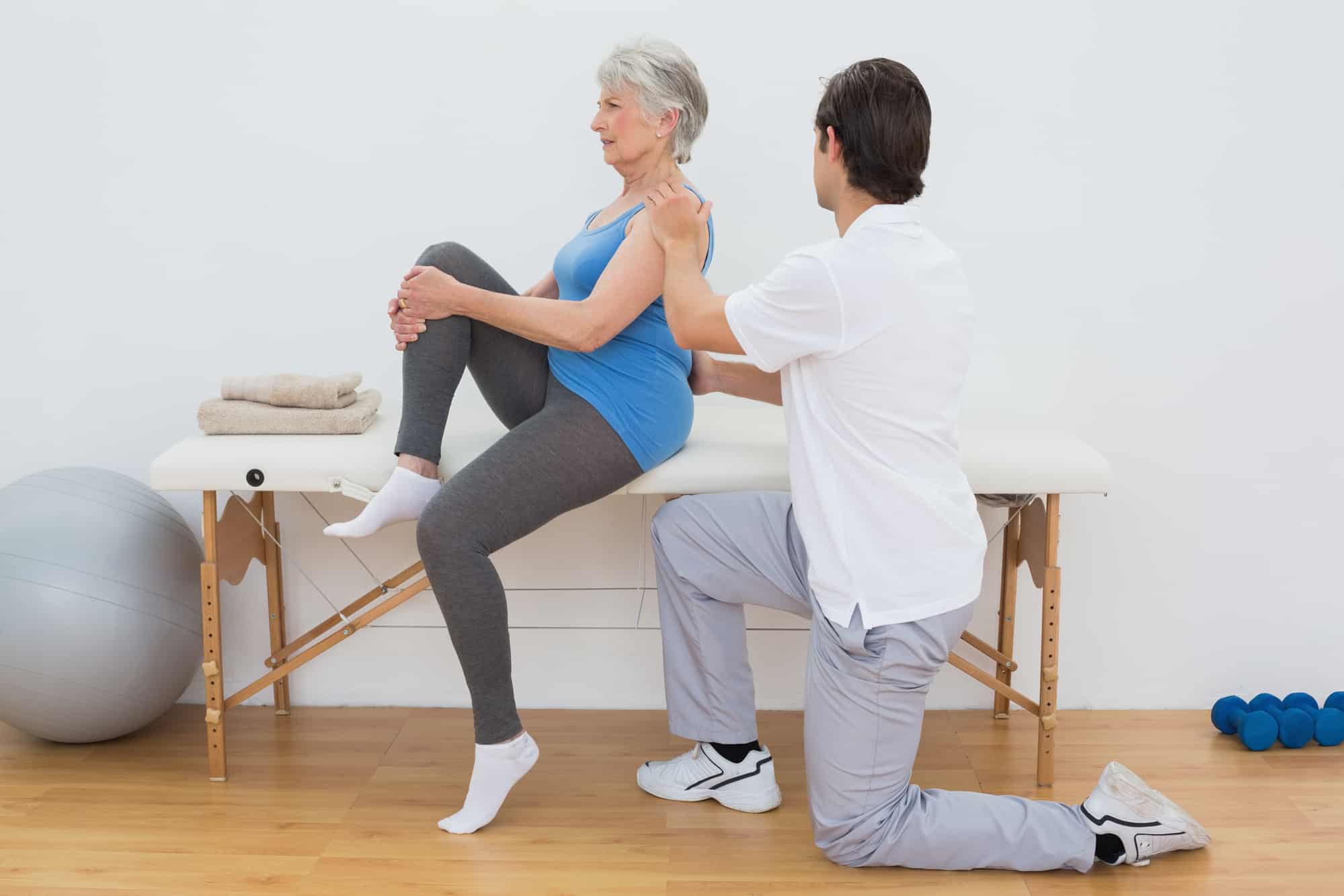
Manual therapy involves skilled, hands-on techniques to improve joint movement, reduce stiffness, and relieve muscle tension. It is gentle, targeted, and well-tolerated by most seniors — and can make a meaningful difference in how comfortably and freely you move.
Therapeutic Exercise Programs
A carefully designed, progressive exercise program is at the heart of physiotherapy for mobility concerns. Your physiotherapist will guide you through exercises specifically chosen to build the strength, flexibility, and balance your body needs — at a pace that feels manageable and safe.
Balance and Fall Prevention Training
Dedicated balance training uses specific exercises and activities designed to challenge and improve your stability system in a controlled, supervised environment. This is one of the most impactful things you can do to reduce fall risk and move with greater confidence.
Acupuncture and Dry Needling
For seniors dealing with chronic pain, muscle tension, or joint discomfort, acupuncture and dry needling can offer meaningful relief as part of a broader treatment plan. The needles used are very fine and the treatment is gentle — many patients find it deeply relaxing.
Shockwave Therapy
Shockwave therapy is a non-invasive treatment option that can be helpful for conditions like plantar fasciitis, hip tendinopathy, and other stubborn soft tissue issues that can affect how comfortably seniors move. It is delivered directly to the affected area and does not require any incisions or downtime.
Education and Home Exercise Guidance
Understanding what’s happening in your body and knowing what you can safely do between appointments is an important part of your recovery. Your physiotherapist will ensure you leave each session with clear guidance and a home program that supports your progress day to day.
You Don’t Have to Accept Reduced Mobility as Part of Getting Older
Slowing down doesn’t have to mean stopping. Mobility challenges are common as we age, but they are not something you simply have to live with. With the right care and guidance, many seniors experience meaningful improvements in how they move, how they feel, and how confidently they engage with the life they want to live.
At FIT Physiotherapy, we work with seniors throughout Newmarket and York Region in a warm, welcoming environment where you’ll always receive one-on-one, personalized attention. If you’re ready to take that first step, we’d love to hear from you. Contact our team today to book an assessment — and let’s work together on moving better and feeling more like yourself.